Featured

Conquering Diabetes—Mediterranean style

A review of the scientific literature on the Mediterranean Diet and Diabetes risk and prevention 

The sad truth is that most of us know someone who has diabetes. Diabetes is a growing chronic disease that is negatively impacting lives worldwide. Currently, there is no cure for diabetes, though there are therapeutic options such as insulin injections that diabetic patients can resort to. To be clear, diabetes is disease condition in which glucose molecules are not being taken up by the human body cells, and thus are not being broken down for energy. This results in a lack of energy and glucose in the cells, and high levels of glucose in the blood—this is not safe for the human body, as it can lead to several complications such as kidney failure or blindness. So, you can imagine that diabetic patients need to keep their blood glucose levels down and stick to a healthy diet. 

BUT what is glucose and where does it come from?…Well, glucose is basically the most broken down form of carbohydrates. Carbohydrates are made up of glucose molecules, for instance maltose is a disaccharide, made up of two glucose molecules. Multiple different maltose molecules can combine to form a large chain, which then forms carbohydrates. You may be wondering which foods contain carbohydrates. Almost all foods contain carbohydrates, from ice cream to bananas. However, the following is a list of foods with amounts of carbohydrates:  
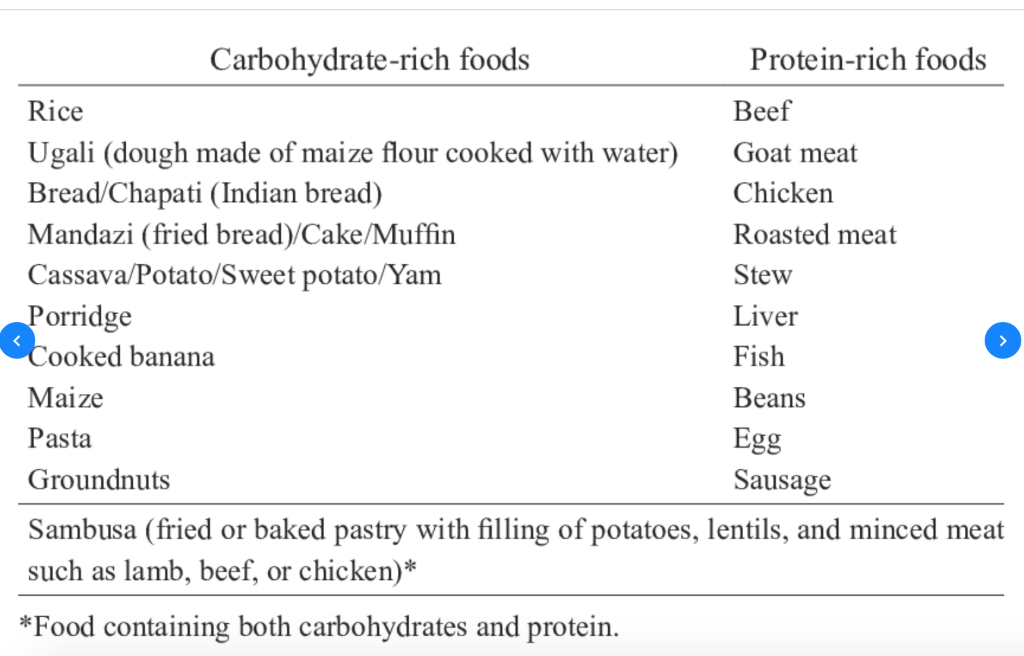
(Ohnishi, 2017) 

Now, you all may be wondering if there is an easy diet that dan be followed to reduce the level of glucose consumed. Going on a strict carbohydrate-free diet can be tough, stringent, and demanding, thus, it is important for patients with diabetes to resort to a diet that is easy to follow and is effective. Luckily, I will be discussing the Mediterranean diet, which I will be referring to as “MD”. 

The MD has been along for centuries. It is a traditional diet consumed by several countries along the Mediterranean Sea. The MD consists largely of colorful fruits and vegetables, whole grains, legumes, nuts and seeds, fish and seafood, olive oil, and red wine. However, this diet extends beyond food, it also involves and active lifestyle, and spending time with family and friends when consuming meals. The MD looks something like following:
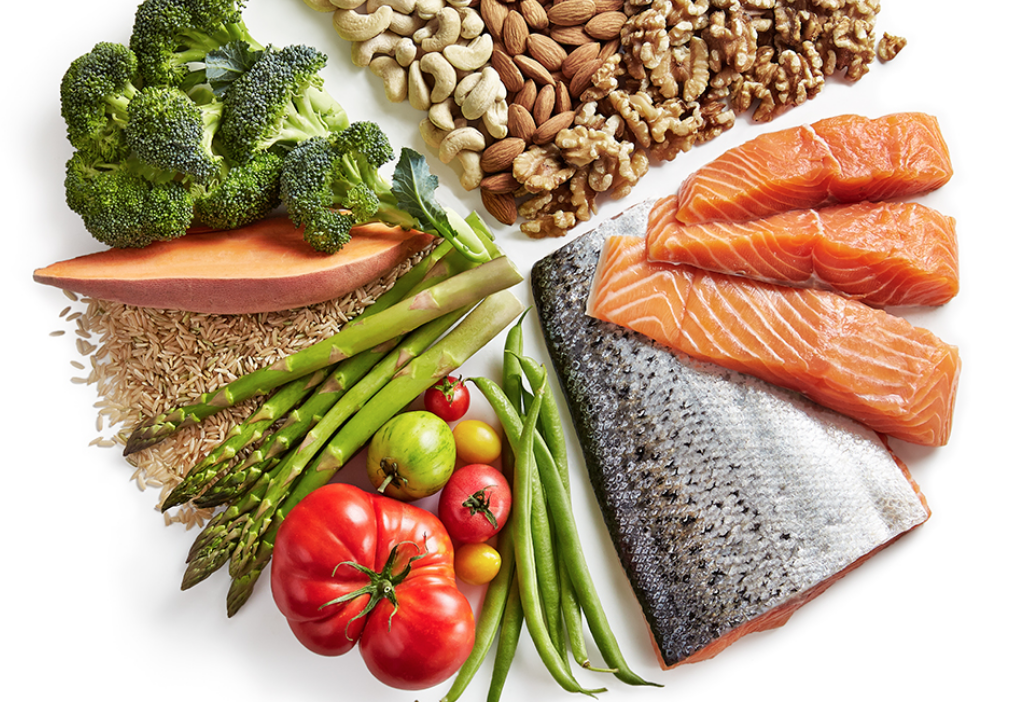
(Lifer, 2015)

This diet is not only delicious and appetizing, but it is also very healthy and beneficial for diabetic patients. This is because it consists of fruits and vegetables with every meal, includes whole grains, such as quinoa, seafood and nuts, which contain very beneficial fats. These foods are very healthy if consume regularly for several physiological and biological reasons. Diabetes can lead to high blood pressure, high cholesterol, inflammation, and heart diseases; thus, it is essential to consume foods that could combat these complications (Benson et al., 2011). The MD contains several fishes and nuts; these foods contain plenty of omega 3 fatty acids. These fatty acids are very healthy because they lower LDL cholesterol and increase HDL cholesterol. This reduces the risk of plaque building and clogged-arteries which reduces the risk of heart disease. This is beneficial for diabetic patients because having a high source of health unsaturated fats can maintain fat and cholesterol levels, and this can also be used as energy instead of high amounts of glucose molecules (Lee et al., 2016). The MD also contains a glass of wine per day. Wine has been shown to be healthy because it reduces lipid peroxidation, which is a form of inflammation. This is very beneficial because inflammation in diabetic patients can lead to heart issues and atherosclerosis (Gorelik et al., 2008).  

According to several studies, the MD is beneficial because it improves glycemic control, which means it enhances the uptake of glucose by the cells, which can then break it down and use it as energy. The diet also lowers the amount of sugar in our bodies. This is because the MD consists of very little carbohydrates, and even then, the carbohydrates are complex. This is healthy because the body breaks down these carbohydrates slowly, which allows the body to slowly uptake the glucose from the body because the insulin is very sensitive (Shai et al., 2008).  

Furthermore, the MD is very beneficial for diabetic because it also reduces BMI, waist-to-hip ratio, and metabolic syndrome. Studies have shown the high protein from the fish and the healthy complex carbohydrates aids with digestion and weight loss (Esposito et al., 2010). This is very important for diabetic patients because when glucose is not being consumed for energy, the body may resort to overeating for carbohydrates and thus energy. Additionally, according to several studies, the MD is very beneficial because it prevents diabetes. Around 83% of individuals in a study had a lowered risk of diabetes after sticking to the MD (Martínez-González et al., 2008). MD was also shown to reduce the risk of diabetes in patients with cardiovascular diseases. A lot of this is because of the health fats found in olive oil, nuts, and fish. These fats are known as unsaturated fats, as opposed to saturated fats. These fats, along with fruits and vegetables, help improve systolic and diastolic blood pressure, lower inflammation, and studies have shown that they also prevent the onset of diabetes (Risérus et al., 2009). 
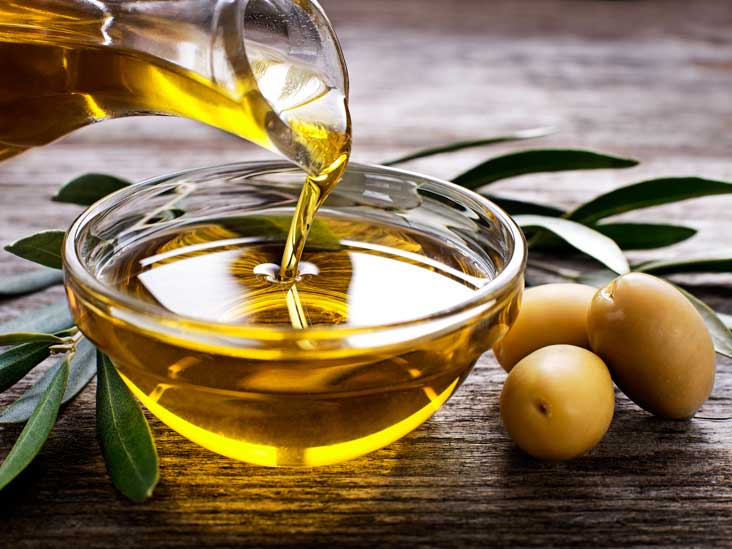
(Leech, 2018)

References

Ohnishi, M., Leshabari, S., Ambikile, J. S., Oishi, K., Nakao, Y., & Nishihara, M. (2017). Associations among anthropometric measures, food consumption, and quality of life in school-age children in Tanzania. Journal of Rural Medicine,12(1), 38-45. doi:10.2185/jrm.2924 

Lifer, H. S. (n.d.). Lose Weight, Live Longer With Mediterranean Zone Diet – Barry Sears. Retrieved April 29, 2019, from https://www.aarp.org/health/healthy-living/info-2014/mediterranean-zone-diet.html 

Cholesterol Levels: What the Numbers Mean. (n.d.). Retrieved April 29, 2019, from https://www.medicinenet.com/cholesterol_levels_pictures_slideshow/article.htm 

Gorelik S, Ligumsky M, Kohen R, Kanner J: The stomach as a “bioreactor”: when red meat meets red wine. J Agric Food Chem 56:5002–5007, 2008 

Shai I, Schwarzfuchs D, Henkin Y, Shahar DR, Witkow S, Greenberg I, Golan R, Fraser D, Bolotin A, Vardi H, Tangi-Rozental O, Zuk-Ramot R, Sarusi B, Brickner D, Schwartz Z, Sheiner E, Marko R, Katorza E, Thiery J, Fiedler GM, Blüher M, Stumvoll M, Stampfer MJ; Dietary Intervention Randomized Controlled Trial (DIRECT) Group: Weight loss with a low-carbohydrate, Mediterranean, or low-fat diet. N Engl J Med 359:229–241, 2008 

Esposito K, Maiorino MI, Ceriello A, Giugliano D: Prevention and control of type 2 diabetes by Mediterranean diet: a systematic review. Diabetes Res Clin Pract 89:97–102, 2010 

Martínez-González MA, de la FuenteArrillaga C, Nunez-Cordoba JM, Basterra-Gortari FJ, Beunza JJ, Vazquez Z, Benito S, Tortosa A, Bes-Rastrollo M: Adherence to Mediterranean diet and risk of developing diabetes: prospective cohort study. BMJ 336:1348–1351, 2008 

Risérus U, Willett WC, Hu FB: Dietary fats and prevention of type 2 diabetes. Prog Lipid Res 48:44–51, 2009 

11 Proven Benefits of Olive Oil. (n.d.). Retrieved April 28, 2019, from https://www.healthline.com/nutrition/11-proven-benefits-of-olive-oil 
Time to get Cookin’

Creating 4 convenient, accessible, and facile meals that are in line with the Mediterranean diet and describing why these dishes are phenomenal! 

We have all been there, we get home from a long day at work or school, starving. You open the refrigerator, only to see that there is nothing edible to satisfy your hunger. You are devastated and resort to ordering a greasy, unhealthy pizza. Well, these horrifying days are coming to an end, thanks to this blog. I will be sharing with you ten healthy, filling, and convenient dishes to consume. A video will also be provided for one of the dishes being prepared.  

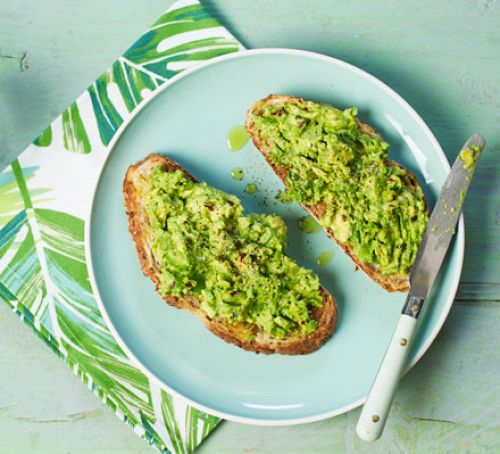
Avocado Toast 

This is a very simple and trendy recipe that is compatible with the MD and is also very nutritious.  

Ingredients:  

  • 1 whole avocado 
  • 2 slices of whole grain bread 
  • Salt and pepper 
  • Olive oil 

Preparation:  

  1. Toast the slices of bread in a toaster 
  1. Cut the avocado in half 
  1. Spread each half of the avocado onto each toast evenly  
  1. Add salt and pepper (one pinch of each) onto each toast 
  1. Drizzle 1 tsp of olive oil onto each toast 

This recipe contains all the healthy fats and complex carbohydrates, which is very healthy for our bodies. The avocado and olive oil provide the healthy unsaturated fats and the slices of bread provide the complex carbohydrates for added fiber. 

This recipe lowers risk of diabetes, heart disease, lowers cholesterol, and prevents risk of diabetes. 

(BBC, 2019)

Mediterranean Omelette  

I have tailored this recipe to make sure it is easy and filling! An omelette in the morning, noon, or evening is always an easy choice that will fill you up.  

Ingredients: 

  • 2 eggs 
  • ½ chopped onion 
  • ½ cup of spinach 
  • 1 ounce of feta cheese 
  • 1/3 cup of chopped tomatoes 
  • 3 ounces of smoked salmon pieces 
  • 1 tbsp olive oil 

Preparation: 

  1. Beat eggs in a bowl  
  1. Add onions, spinach, tomatoes into the bowl 
  1. Pour the egg mixture onto the olive oiled frying pan  
  1. Cook omelette until golden yellow on both side 
  1. Sprinkle feta cheese on omelette  
  1. Garnish beautifully with pieces of smokes salmon 

This recipe is infused with beautiful and nutritious vegetables that are a staple in the MD. The spinach, tomatoes, and onions provide essential vitamins and fibers that our bodies will enjoy. The salmon provides a lot of protein and healthy fats such as the omega 3 fatty acids. The feta cheese is a very delicious dairy product that also provides a lot of vitamin D and calcium. This recipe is quite similar to a recipe posted by Taste of Home, if you want to follow specific instructions, refer to this link: https://www.tasteofhome.com/recipes/mediterranean-omelet/ 

(BordBia, 2019)

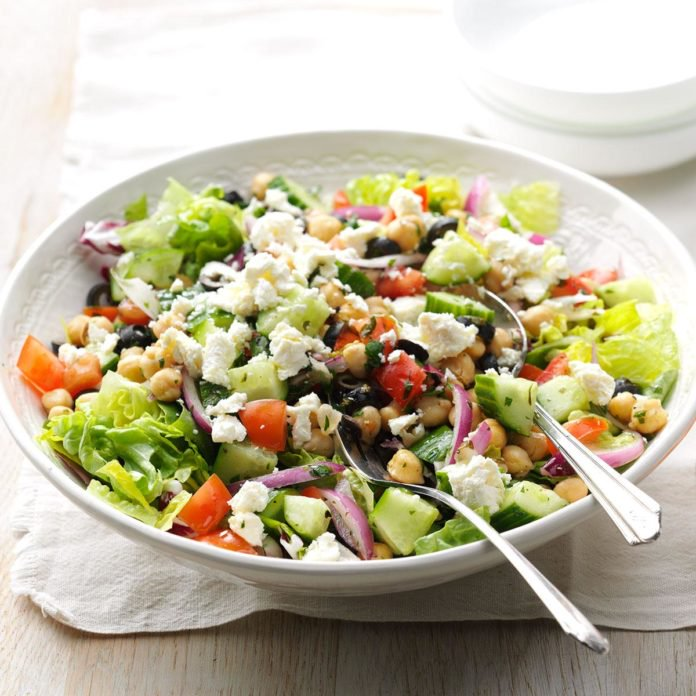
Garbanzo Bean and Pasta Salad 

Who doesn’t love pasta? Why not make it healthy and compatible with the MD. This salad is not only healthy, but it also tastes phenomenal and will give you a boost of energy. This low-calorie meal will definitely brighten up your mood after a long day at work.  

Ingredients: 

  • 1 cup of cooked garbanzo beans  
  • ½ cup of uncooked pasta (any kind) 
  • ½ cup of cucumbers  
  • 1 chopped tomato 
  • 2 tbsp olive oil 
  • Salt and Pepper 
  • ½ lemon 
  • 1-ounce cottage cheese 
  • 2 cups of Romaine lettuce 

Preparation:  

  1. Chop the romaine lettuce into large chunks and add to a large mixing bowl 
  1. Add the cucumber, tomato, garbanzo beans, and paste to the bowl and mix 
  1. Add 2 tbsp of olive oil, a pinch of salt and pepper, and squeeze the lemon juice of ½ a lemon into the bowl (this is your dressing), and mix 
  1. Garnish the salad with cottage cheese 

This salad is not only colorful and delicious, but it is also extremely healthy. The special part of this recipe is that it contains garbanzo beans. Legumes and seeds are a huge part of the MD, thus since garbanzo beans are legumes, this salad is a great meal for the MD. You might be wondering what the benefits of this salad is—well, garbanzo beans are very healthy because according to Medical News today (2019), they are: 

  • High in fiber 
  • Lower the risk of diabetes 
  • Increase bone health 
  • High in calcium and phosphate  
  • Stimulate collagen production 
  • Maintain healthy blood pressure  
  • Lower risk of cardiovascular disease by keeping blood lipid levels low 
  • Improve digestion 
(Taste of Home, 2019)

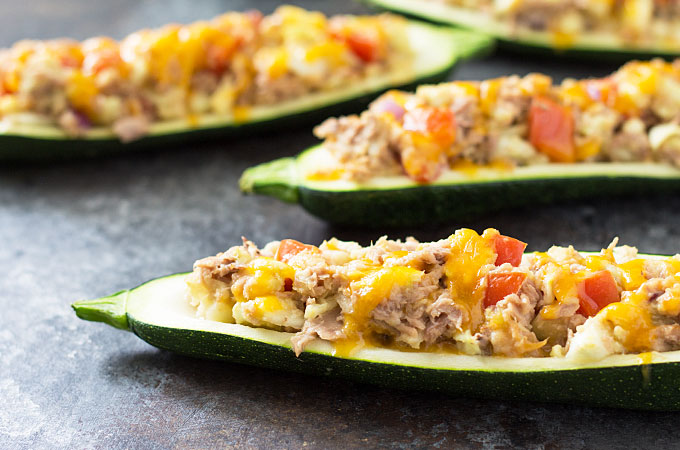
Tuna and Zucchini Boat 

This final recipe is very fun and easy to prepare. It will certainly surprise and impress your friends at the party, and it is very healthy. 

Ingredients:  

2 cans of canned tuna 

½ chopped tomato 

½ cup of onion 

Salt and pepper 

1 tsp mayonnaise 

1 large zucchini 

Preparation:  

  1. Cut large zucchini in half and dig out the seeds with a knife and set aside 
  1. Mix tuna, tomato, onion, mayonnaise, salt and pepper into a bowl and mix 
  1. Add the tuna mix into the cavities created in the zucchinis  

This meal contains vegetables, fish, and healthy fats from the mayo, which is all in line with the MD. I have made a video to accompany this recipe for my followers. Please feel free to watch my video and try out this recipe.  

(The Blonde Cook, 2019)

Let’s start cooking! 

References

Godwin, S. (2018, March 01). Avocado on toast. Retrieved April 29, 2019, from https://www.bbcgoodfood.com/recipes/avocado-toast

Bia, B. (2015, June 17).   Smoked Salmon and Cream Cheese Omelette. Retrieved April 28, 2019, from https://www.bordbia.ie/consumer/recipes/eggs/pages/smokedsalmonfrittata.aspx

LD, M. W. (2017, December 04). Chickpeas: Health benefits and nutritional information. Retrieved April 28, 2019, from https://www.medicalnewstoday.com/articles/280244.php

Doepel, J. (2018, January 01). Feta Garbanzo Bean Salad. Retrieved April 29, 2019, from https://www.tasteofhome.com/recipes/feta-garbanzo-bean-salad/

Tuna and Veggie Stuffed Zucchini Boats. (2018, May 06). Retrieved April 28, 2019, from https://theblondcook.com/tuna-veggie-stuffed-zucchini-boats/

Let’s go Mediterranean

Delving deeper into the foods and serving sizes consumed in the Mediterranean Diet and the benefits they provide, so you can easily transition! 

Now that we have discussed the benefits of MD and the scientific evidence behind this phenomenal diet, it is time to ask the more practical question: “How do I go Mediterranean?”. 

If you’re someone who has diabetes, who is at a high risk for the onset of diabetes, or who is unhealthy/overweight, then you need to keep reading. I will be providing you with some essential tips on how to transition from your current diet to the MD. I will also be delving deeper into the exact amounts of food to consume to reap the benefits of this diet.  

As was described before, the MD is a great diet that has several health benefits for the heart and other related diseases such as diabetes, strokes, and obesity. Several scientific studies have evaluated the benefits of MD and encourage diabetic patients to consume this diet. First and foremost, it is essential for us to understand what the diet consists of and what a daily meal looks like.  

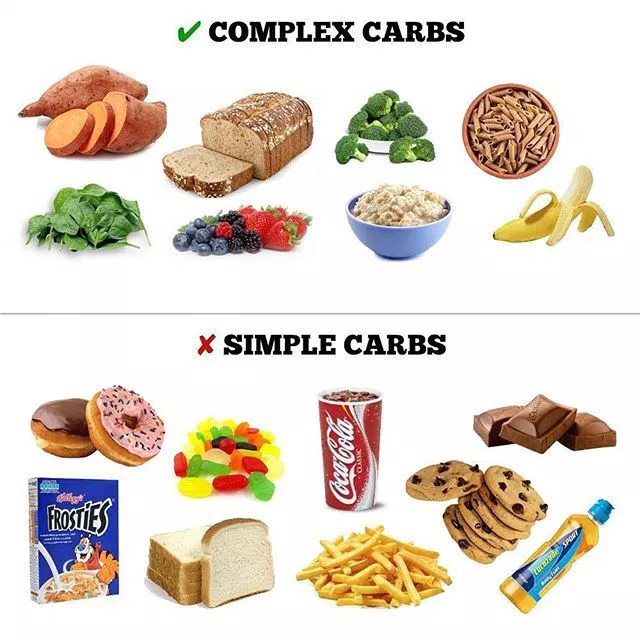
Carbohydrates  

Instead of refined and simple carbohydrates, the MD contains complex and whole grain carbohydrates. Thus, the first strategy would be “Carb Counting”. Counting the amount of carbohydrates one consumes is essential to keep the blood sugar levels in the blood under maintenance. Here is an example of some of the carbohydrates in MD: 

  • Whole grain bread 
  • Fruits 
  • Potatoes 
  • Spinach 
(Our Better Health, 2016) 

However, you may be wondering, how much should I consume in a meal if I want to follow the MD? Well, according to the University of Winsconsin Department of Health, 4 to 6 servings of whole grains are required per day in MD (UW Health, 2019). Some examples of what 1 serving looks like would be:  

  • 1 slice of whole wheat bread 
  • ½ cup of potatoes 
  • 6 whole grain crackers 
  • ½ cup of brown rice/pasta 
  • ½ cup of oatmeal 

Time for a fun fact! Complex carbohydrates keep you full longer, are high in fiber, and don’t raise your blood sugar level drastically (Kielhorn et al., 2018). 

Healthy Fats and Protein 

The MD is heavy on the healthy fats and protein, luckily foods with these fats are quite delicious. Fatty foods consist of: 

  • Salmon fish 
  • Tuna 
  • Olive oil 
  • Nuts 
  • Seeds 
  • Avocados 
(Style Craze, 2019) 

A very important idea to note is that seafood with healthy fats also contain a very high amount of protein. Salmon, tuna, and nuts/seed are great sources of protein. Protein is essential for health and body because it replenishes our muscles, it is used to produce enzymes, and maintain our organs and general physiology. Low protein will lead to weakness, thus consuming high amounts in the MD is very beneficial because along with seafood, it contains meat as well. 

But what exactly are healthy fats? These fats are the ones that help our body, brain, and muscles function properly. These fats are unsaturated, meaning that they are liquid at room temperature. These fats are also not trans fats, which means that the carbon bond between the carbon atoms are on opposite sides. Unsaturated are better than saturated fats because the latter fats lead to cardiovascular diseases, increased and clogged arteries, high LDL cholesterol, which is the bad cholesterol, and inflammation and oxidation in the body, which is detrimental to our bodies. Along with these complications, unhealthy fats can lead to increased risk of diabetes, insulin resistance, and weight gain (Liu et al., 2017). Therefore, healthy fats are better for our hearts, weight, diabetes risk, and cholesterol levels.  

How much should you consume? Well according to the University of Winsconsin, poultry is not very common in the MD but one serving should be consumed 1 to 3 times per week; one serving is  

  • 3 ounces of red or white meat.  

With regards to healthy fats and protein, I will divide the amounts into seafood, oils, and legumes (nuts). Seafood: 2 to 3 times per week 

  • 3 ounces of salmon, herring, sardines, mackerel 

The high amounts of omega 3 fatty acids have beneficial effects on triglyceride levels and blood cells (UW Health, 2019). 

Oils: 4 to 6 servings per day 

  • 1 tsp olive oil 
  • 1 tsp mayonnaise 
  • 1/8 of an avocado 
  • 2 tsp light margarine 

These unsaturated fats can reduce LDL, and are high in calories so keep intake limited (UW Health, 2019). 

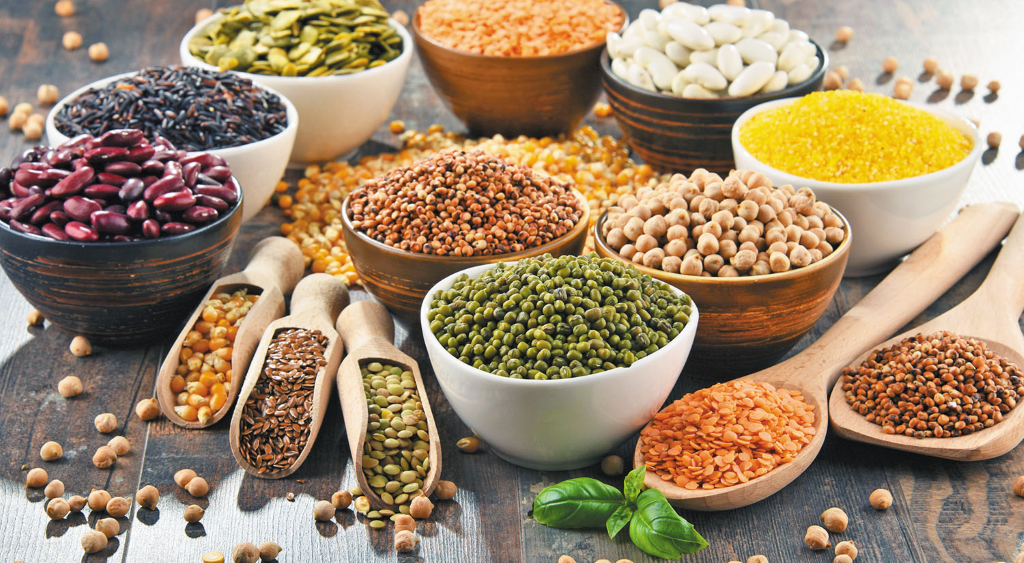
Legumes (nuts): 2 to 4 servings per day 

  • 1 tbsp peanut butter 
  • 7-8 walnuts 
  • 12-15 almonds 
  • 20 peanuts 

Legumes and nuts are high in fiber, protein, healthy fats, and minerals.  

Fun fact: Healthy fats can improve your heart’s health and make you lose weight through a process of beta-oxidation (Liu et al., 2017). 

Dairy, Veggies, and Alcohol 

The MD also consists of dairy products. These products are healthy because they are a great source of calcium, vitamin D and even folate (B vitamins). Dairy products such as yogurt also contain high levels of protein and healthy fats, which are heathy as aforementioned.  

(Iowa, 2019) 

The serving size is 1 t 3 times per day and examples of a serving are:  

  • 1 cup of skim milk (fortified with calcium) 
  • 1 cup of soy yogurt 
  • 1 ounce of cheese (specifically soy cheese) 

Non-starchy vegetables are a staple in the MD, as should be in any regular diet. Vegetables are obviously extremely nutritious; they provide excellent vitamins, minerals and benefits for our bodies. These compounds have essential roles to help maintain our health. For instance, vitamin C is necessary for the adequate functioning of our immune system (UW Health, 2019). In the MD, one should consume 4 to 8 servings of vegetables in a day, which is: 

  • ½ cup cooked broccoli 
  • ½ cup cooked Brussel sprouts  
  • 1 cup of raw broccoli  
  • 1 cup of raw cabbage/carrots 
  • 1 cup of green vegetables: spinach, celery, green salads, tomatoes 
(Vegetables, 2019) 

Finally, a very interesting part of the MD is alcohol consumption, specifically in wine form. The MD requires its followers to drink up to 12 ounces of beer, 4 ounces of wine, and 1.5 ounces of hard liquor. “WHY?”, you may ask, well, alcohol may be very beneficial. It has been shown to lower the risk of heart disease, and prevent against dementia (Bachai, 2013). 

(Cohut, 2018) 

Along with the food, it is important to maintain an active and healthy lifestyle, as a lot of people in the Mediterranean lead physically active lifestyles to maintain their health. So before turning on the television after work, put on your running shoes and go for a jog! Your body will thank you afterwards. 

References

Misterpete4u. (2016, October 27). Simple Carbohydrates vs. Complex Carbohydrates. Retrieved April 29, 2019, from https://ourbetterhealth.org/2016/05/28/simple-carbohydrates-vs-complex-carbohydrates/

Click to access 410.pdf

Discussion of: The benefits of a low-dose complex carbohydrate/citrulline electrolyte solution for preoperative carbohydrate loading: Focus on glycemic variability. (2018). The American Journal of Surgery,215(3), 377-378. doi:10.1016/j.amjsurg.2018.01.044

Liu, A. G., Ford, N. A., Hu, F. B., Zelman, K. M., Mozaffarian, D., & Kris-Etherton, P. M. (2017). A healthy approach to dietary fats: Understanding the science and taking action to reduce consumer confusion. Nutrition Journal,16(1). doi:10.1186/s12937-017-0271-4

Biswas, C., Biswas, C., Biswas, C., & Biswas, C. (n.d.). Healthy Fats – What Are They, Foods To Eat And Avoid, And Benefits. Retrieved from https://www.stylecraze.com/articles/healthy-fats/#gref

Dairy Products Control Bureau. (n.d.). Retrieved April 28, 2019, from https://iowaagriculture.gov/dairy-products-control-bureau

Bachai, S. (2013, July 10). 7 Health Benefits Of Drinking Alcohol. Retrieved April 28, 2019, from https://www.medicaldaily.com/7-health-benefits-drinking-alcohol-247552

Vegetables A-Z. (n.d.). Retrieved April 28, 2019, from https://www.vegetables.co.nz/vegetables-a-z/

Cohut, M. (2018, February 25). Skip the guilt: Red wine could protect your oral health. Retrieved April 28, 2019, from https://www.medicalnewstoday.com/articles/321028.php

Conquering Diabetes—Mediterranean style

A review of the scientific literature on the Mediterranean Diet and Diabetes risk and prevention 

The sad truth is that most of us know someone who has diabetes. Diabetes is a growing chronic disease that is negatively impacting lives worldwide. Currently, there is no cure for diabetes, though there are therapeutic options such as insulin injections that diabetic patients can resort to. To be clear, diabetes is disease condition in which glucose molecules are not being taken up by the human body cells, and thus are not being broken down for energy. This results in a lack of energy and glucose in the cells, and high levels of glucose in the blood—this is not safe for the human body, as it can lead to several complications such as kidney failure or blindness. So, you can imagine that diabetic patients need to keep their blood glucose levels down and stick to a healthy diet. 

BUT what is glucose and where does it come from?…Well, glucose is basically the most broken down form of carbohydrates. Carbohydrates are made up of glucose molecules, for instance maltose is a disaccharide, made up of two glucose molecules. Multiple different maltose molecules can combine to form a large chain, which then forms carbohydrates. You may be wondering which foods contain carbohydrates. Almost all foods contain carbohydrates, from ice cream to bananas. However, the following is a list of foods with amounts of carbohydrates:  

(Ohnishi, 2017) 

Now, you all may be wondering if there is an easy diet that dan be followed to reduce the level of glucose consumed. Going on a strict carbohydrate-free diet can be tough, stringent, and demanding, thus, it is important for patients with diabetes to resort to a diet that is easy to follow and is effective. Luckily, I will be discussing the Mediterranean diet, which I will be referring to as “MD”. 

The MD has been along for centuries. It is a traditional diet consumed by several countries along the Mediterranean Sea. The MD consists largely of colorful fruits and vegetables, whole grains, legumes, nuts and seeds, fish and seafood, olive oil, and red wine. However, this diet extends beyond food, it also involves and active lifestyle, and spending time with family and friends when consuming meals. The MD looks something like following:

(Lifer, 2015)

This diet is not only delicious and appetizing, but it is also very healthy and beneficial for diabetic patients. This is because it consists of fruits and vegetables with every meal, includes whole grains, such as quinoa, seafood and nuts, which contain very beneficial fats. These foods are very healthy if consume regularly for several physiological and biological reasons. Diabetes can lead to high blood pressure, high cholesterol, inflammation, and heart diseases; thus, it is essential to consume foods that could combat these complications (Benson et al., 2011). The MD contains several fishes and nuts; these foods contain plenty of omega 3 fatty acids. These fatty acids are very healthy because they lower LDL cholesterol and increase HDL cholesterol. This reduces the risk of plaque building and clogged-arteries which reduces the risk of heart disease. This is beneficial for diabetic patients because having a high source of health unsaturated fats can maintain fat and cholesterol levels, and this can also be used as energy instead of high amounts of glucose molecules (Lee et al., 2016). The MD also contains a glass of wine per day. Wine has been shown to be healthy because it reduces lipid peroxidation, which is a form of inflammation. This is very beneficial because inflammation in diabetic patients can lead to heart issues and atherosclerosis (Gorelik et al., 2008).  

According to several studies, the MD is beneficial because it improves glycemic control, which means it enhances the uptake of glucose by the cells, which can then break it down and use it as energy. The diet also lowers the amount of sugar in our bodies. This is because the MD consists of very little carbohydrates, and even then, the carbohydrates are complex. This is healthy because the body breaks down these carbohydrates slowly, which allows the body to slowly uptake the glucose from the body because the insulin is very sensitive (Shai et al., 2008).  

Furthermore, the MD is very beneficial for diabetic because it also reduces BMI, waist-to-hip ratio, and metabolic syndrome. Studies have shown the high protein from the fish and the healthy complex carbohydrates aids with digestion and weight loss (Esposito et al., 2010). This is very important for diabetic patients because when glucose is not being consumed for energy, the body may resort to overeating for carbohydrates and thus energy. Additionally, according to several studies, the MD is very beneficial because it prevents diabetes. Around 83% of individuals in a study had a lowered risk of diabetes after sticking to the MD (Martínez-González et al., 2008). MD was also shown to reduce the risk of diabetes in patients with cardiovascular diseases. A lot of this is because of the health fats found in olive oil, nuts, and fish. These fats are known as unsaturated fats, as opposed to saturated fats. These fats, along with fruits and vegetables, help improve systolic and diastolic blood pressure, lower inflammation, and studies have shown that they also prevent the onset of diabetes (Risérus et al., 2009). 

(Leech, 2018)

References

Ohnishi, M., Leshabari, S., Ambikile, J. S., Oishi, K., Nakao, Y., & Nishihara, M. (2017). Associations among anthropometric measures, food consumption, and quality of life in school-age children in Tanzania. Journal of Rural Medicine,12(1), 38-45. doi:10.2185/jrm.2924 

Lifer, H. S. (n.d.). Lose Weight, Live Longer With Mediterranean Zone Diet – Barry Sears. Retrieved April 29, 2019, from https://www.aarp.org/health/healthy-living/info-2014/mediterranean-zone-diet.html 

Cholesterol Levels: What the Numbers Mean. (n.d.). Retrieved April 29, 2019, from https://www.medicinenet.com/cholesterol_levels_pictures_slideshow/article.htm 

Gorelik S, Ligumsky M, Kohen R, Kanner J: The stomach as a “bioreactor”: when red meat meets red wine. J Agric Food Chem 56:5002–5007, 2008 

Shai I, Schwarzfuchs D, Henkin Y, Shahar DR, Witkow S, Greenberg I, Golan R, Fraser D, Bolotin A, Vardi H, Tangi-Rozental O, Zuk-Ramot R, Sarusi B, Brickner D, Schwartz Z, Sheiner E, Marko R, Katorza E, Thiery J, Fiedler GM, Blüher M, Stumvoll M, Stampfer MJ; Dietary Intervention Randomized Controlled Trial (DIRECT) Group: Weight loss with a low-carbohydrate, Mediterranean, or low-fat diet. N Engl J Med 359:229–241, 2008 

Esposito K, Maiorino MI, Ceriello A, Giugliano D: Prevention and control of type 2 diabetes by Mediterranean diet: a systematic review. Diabetes Res Clin Pract 89:97–102, 2010 

Martínez-González MA, de la FuenteArrillaga C, Nunez-Cordoba JM, Basterra-Gortari FJ, Beunza JJ, Vazquez Z, Benito S, Tortosa A, Bes-Rastrollo M: Adherence to Mediterranean diet and risk of developing diabetes: prospective cohort study. BMJ 336:1348–1351, 2008 

Risérus U, Willett WC, Hu FB: Dietary fats and prevention of type 2 diabetes. Prog Lipid Res 48:44–51, 2009 

11 Proven Benefits of Olive Oil. (n.d.). Retrieved April 28, 2019, from https://www.healthline.com/nutrition/11-proven-benefits-of-olive-oil